- Regina Gibbons MBA, Lic. Ac.79 Trapelo Road
Belmont, MA 02478(781) 639-0037
Health WellNews
Tips to Manage Fall Allergy Season
After such a scorching summer in much of the country, Fall is a welcome season bringing cooler temperatures, comforting food, and a gentle lead into winter. However, for many people, Fall also brings with it some severe allergies.

While most people may associate severe allergies with the Spring and Summer months when everything is in bloom, there are those who only suffer during the autumn. The main cause of Fall hay fever is typically weed pollen but, depending on where you are located, common fall allergens can include ragweed, sagebrush, burning bush, tumbleweed, and Russian thistle just to name a few.
If you suffer from these types of allergies, you are more than likely aware of days when pollen counts are especially high (windy and warm days). Rainy days are a welcome relief until the grasses dry and pollen counts soar once again.
A common Fall occurrence in many parts of the country is burning leaves after they fall from the trees. This is when mold can become a problem for those suffering from Fall allergies. When those piles of damp leaves are left alone to rot, mold can form and cause allergy sufferers all kinds of issues.
In some areas of the country, ragweed can cause problems from late August to mid-November. Ragweed thrives on warm days and cool nights and is found in every part of the country. As with most grasses, pollen counts are highest early in the morning.
Now that you know some of the more common Fall allergies, what can you do to make this season as painless as possible? It’s not realistic to lock yourself inside with nose spray and tissues but you can be strategic in your plan of attack to deal with the dreaded Fall allergy season. Here are a few tips to ease the burden:
- Make sure you are aware of pollen counts so you can limit your time outside during peak hours if possible.
- Use a HEPA filter and humidifier to keep airborne pollen levels manageable.
- Keep doors and windows closed, especially on days when pollen counts are high.
- Vacuum and dust regularly.
- Change clothes and take a shower after outdoor activities.
In addition to over-the-counter nasal sprays and antihistamines, check with your health care provider to discuss treatment options including acupuncture (which has a history of effectively treating allergies) and herbal remedies, as these are more natural options to dealing with Fall allergies.
Fall’s Best Comfort Food
One of the best things about the approach of Fall is the cooler temperatures that bring family recipes filled with warm comfort food. It’s no wonder Fall is often described as soup season. Hearty and warm soups filled with fall produce and rich broth bring warmth and comfort to family tables no matter where you live.
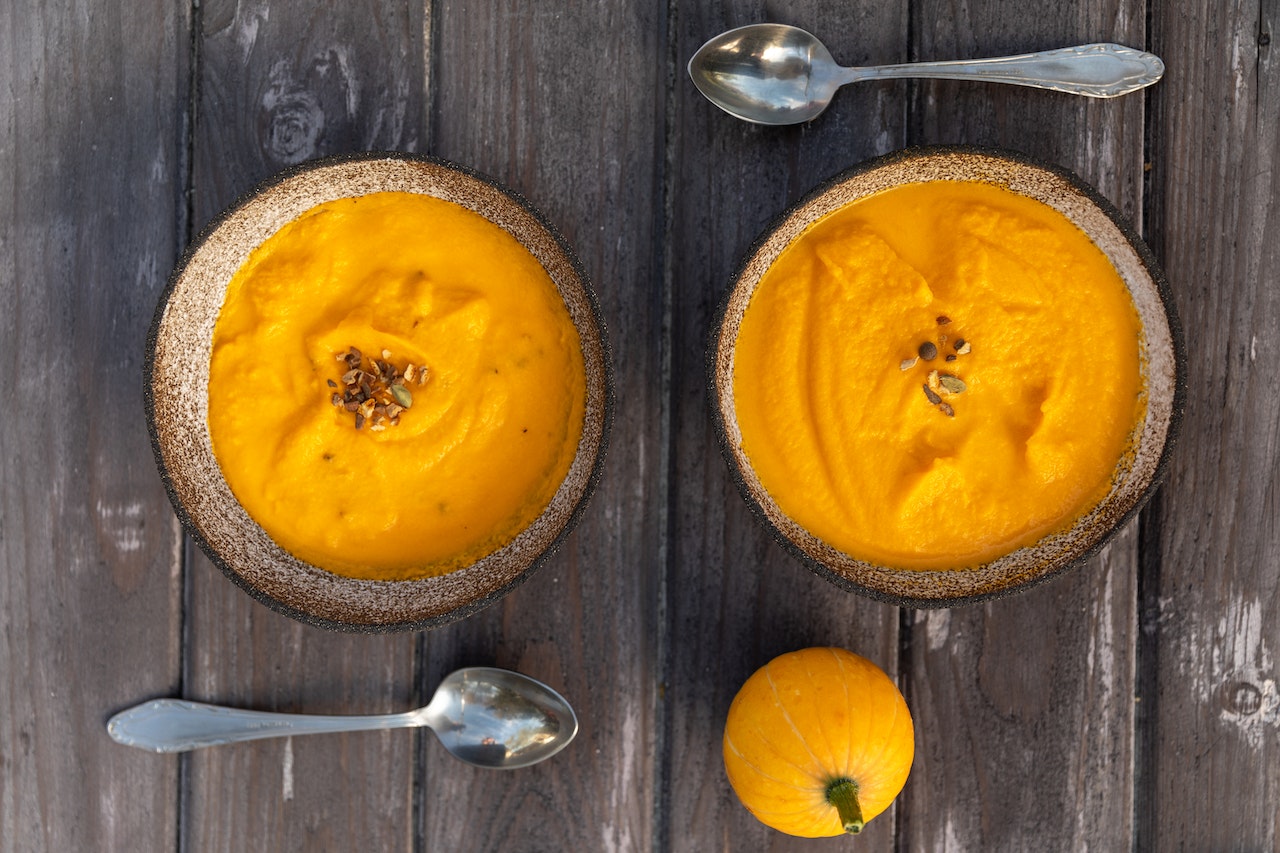
One of the most recognizable Fall vegetables must be pumpkin. But pumpkins aren’t just cute Halloween decorations. A quick search of the Internet will deliver dozens of pumpkin soup recipes right to your inbox. Here’s a favorite you may not have tried before: Pumpkin Soup with Coconut Milk. You can vary this soup recipe by choosing butternut squash as well and the addition of the coconut milk instead of heavy cream won’t be noticeable to most. Finishing it off with a healthy spoonful of plain Greek yogurt, chopped parsley and a drizzle of high-quality olive oil will have you going back for seconds and thirds! Making a double batch also leaves you extra to freeze and warm up later when time is short.
The prep time for this soup is approximately 30 minutes and the cook time is one hour and 35 minutes. This recipe will serve 8. And the roasting of the vegetables gives this soup a rich flavor you won’t forget.
Ingredient List:
- 1 large sweet potato
- 1 small pumpkin or butternut squash, peeled and cut into 1-inch cubes (shortcut: you can buy already cubed butternut squash in the freezer section of most grocery stores but fresh is best!)
- 3 large carrots, peeled and cut in half
- 2 large red onions, halved
- ¼ cup high-quality extra virgin olive oil
- 1 teaspoon of flakey sea salt
- ½ teaspoon ground allspice
- 1 pinch of white pepper
- 1 teaspoon ground nutmeg
- 1 teaspoon ground cumin
- 1 teaspoon ground coriander
- 1 teaspoon ground ginger
- 1 pinch ground black pepper
- 4 cups checking stock
- 2 (13.5 ounce) cans coconut milk
Directions:
- Preheat the oven to 350 degrees. Wrap sweet potato in foil and bake until soft, about 45 minutes
- While the sweet potato is roasting, place pumpkin, carrots and onions on a baking sheet. Brush with olive oil, sprinkle with salt, allspice and white pepper. Bake for 30-40 minutes until soft.
- Peel sweet potato and squash when cool enough to handle. Transfer to a large saucepan and add carrots, onions, nutmeg, cumin, coriander, ginger, salt and pepper. Stir in chicken stock and coconut milk. Bring to a boil; reduce heat and summer 20 minutes.
- Puree soup using an immersion blender or regular blender until smooth.
Serve warm with crusty bread and enjoy the tastes of Fall!
3 Tips to Keep Mentally Healthy in Fall
While many people embrace the approach of Fall, with its vibrant colors, cooler temperatures, and shorter days, others notice a dangerous shift in their mental health. For some, the decrease in temperature means more time indoors and that can have a negative impact on our physical and mental health. Here are three tips to maintain your mental health during the Fall.

Keep Your Vitamin D Levels in Check
It’s easy to get lots of Vitamin D during the warm summer months, but with shorter days comes fewer hours of sunshine which can translate to less time spent outside. This can make it increasingly difficult to get the Vitamin D you need.
Low levels of Vitamin D can cause a host of health issues so keeping your levels in check is important during the colder and sometimes darker fall and winter months. While you can increase your intake through diet changes, a Vitamin D supplement might be the most effective way to maintain your intake. The daily Vitamin D recommendation is 400-800 IU but some people need between 1000-4000 IU per day to keep levels in the right range. Make sure you talk to your health professional to see what is right for you.
The Importance of Sleep
The cooler temperatures of Fall can often bring the urge to hibernate or spend a little more time under those cozy blankets. But keep in mind that this could be disrupting your sleep patterns which can also bring about a host of health issues. The fewer hours of sunlight can also give the urge to stay in bed longer. Sleep experts recommend keeping the same bedtime and waking time throughout the week. Don’t let yourself sleep the weekends away! Use the cooler temperatures to your advantage as the body sleeps best in a cool environment.
Stay Hydrated
Believe it or not, we’re more likely to be dehydrated in the winter months. It makes sense if you think about it. It’s not as warm out so we’re less thirsty. Dry skin and a lack of energy might just be the keys to recognizing you’re dehydrated.
There are lots of ways to track your hydration including apps and fancy water bottles. You can also maintain your hydration through drinking herbal tea for a warm beverage during those cooler mornings and evenings. And you can incorporate foods with high moisture contents including apples, pears, celery, lettuces, cucumbers, butternut squash, and pomegranate among other options.
As you embrace sweater weather, embrace your mental health and make sure you are getting enough sleep, staying hydrated and keeping up with your Vitamin D. This can make all the difference in whether or not you enjoy a healthy Fall.
Change your diet, change your blood
What is diabetes? Type 2 diabetes is an epidemic in the west and is usually caused by the production of too much insulin. Why is there too much insulin? Simply put, the insulin is there to combat the amount of glucose in the blood. And carbohydrate foods are quickly turned into glucose in the bloodstream. A diabetic’s blood is tested over a period of 90 days. A popular treatment protocol is using medication with more insulin to bring blood glucose down, but dramatically reducing the amount of carbohydrates consumed actually treats it from a ‘Ben’ level.
In Chinese Medicine we talk about the ‘Ben’ and ‘Biao’. The Ben is the root of the issue and the Biao is the manifestation. In this case the Ben would be the amount of carbohydrate consumed and the Biao would be the body over producing insulin to combat it. When looked at in this way it becomes obvious that to medicate with more insulin may not only be unnecessary, but it could potentially do more harm by perpetuating the long-term progression of the disease, which can lead to more dire symptoms.
Acupuncture treatment can help us to treat the ‘Ben’ by strengthening the organs of the Stomach and Spleen. In Chinese medicine, the function of the Spleen also includes the Pancreas and is often called the Spleen/Pancreas Official. The pancreas is the organ which western medicine understands to produce insulin, which regulates blood sugar levels. When the Spleen meridian organ system is out of balance, it tends towards deficiency and weakness. When the Spleen is no longer functioning properly, we tend to crave sugary foods. The more sugar we eat, the more we can weaken the function of the Spleen, and then the more we crave.
According to Chinese medical thought, almost all addictions stem from some sort of meridian and organ imbalance. The cure for addiction is to strengthen the Qi of the affected organ, the most effective way to do that is through acupuncture treatment which works on the Qi level.
Traditional Chinese Medicine diagnoses for the disease is very different, it looks at differentiations of patterns – meaning different patients present with different patterns of diagnosis according to their varying constitutional types and lifestyle factors. Chinese medicine says that Yin is always deficient, whether that is Lung Yin in the case of diagnosis with excessive thirst. Stomach Yin in the case of diagnosis with excessive hunger, or Kidney Yin in the case of diagnosis with excessive urination. Ways Chinese medicine treatment can bring the Yin back into balance is acupuncture, herbs and rest. In a nutshell, Yin is stillness, rest, sleep. Yang is our active mode. The reason many westerners are imbalanced in their internal Yin is they do not rest enough. This is something simple we can all do more of for greater health.
So in summary the best ways to treat and even reverse your type 2 diabetes diagnosis are diet – reducing sugar and carbohydrate intake to a minimum. And seek out alternatives that can help – acupuncture can help to strengthen organs of digestion helping to reduce sugar cravings. The integration of acupuncture with herbs, can quickly rebalance the internal Yin and Yang of affected organs. More rest – be more Yin!
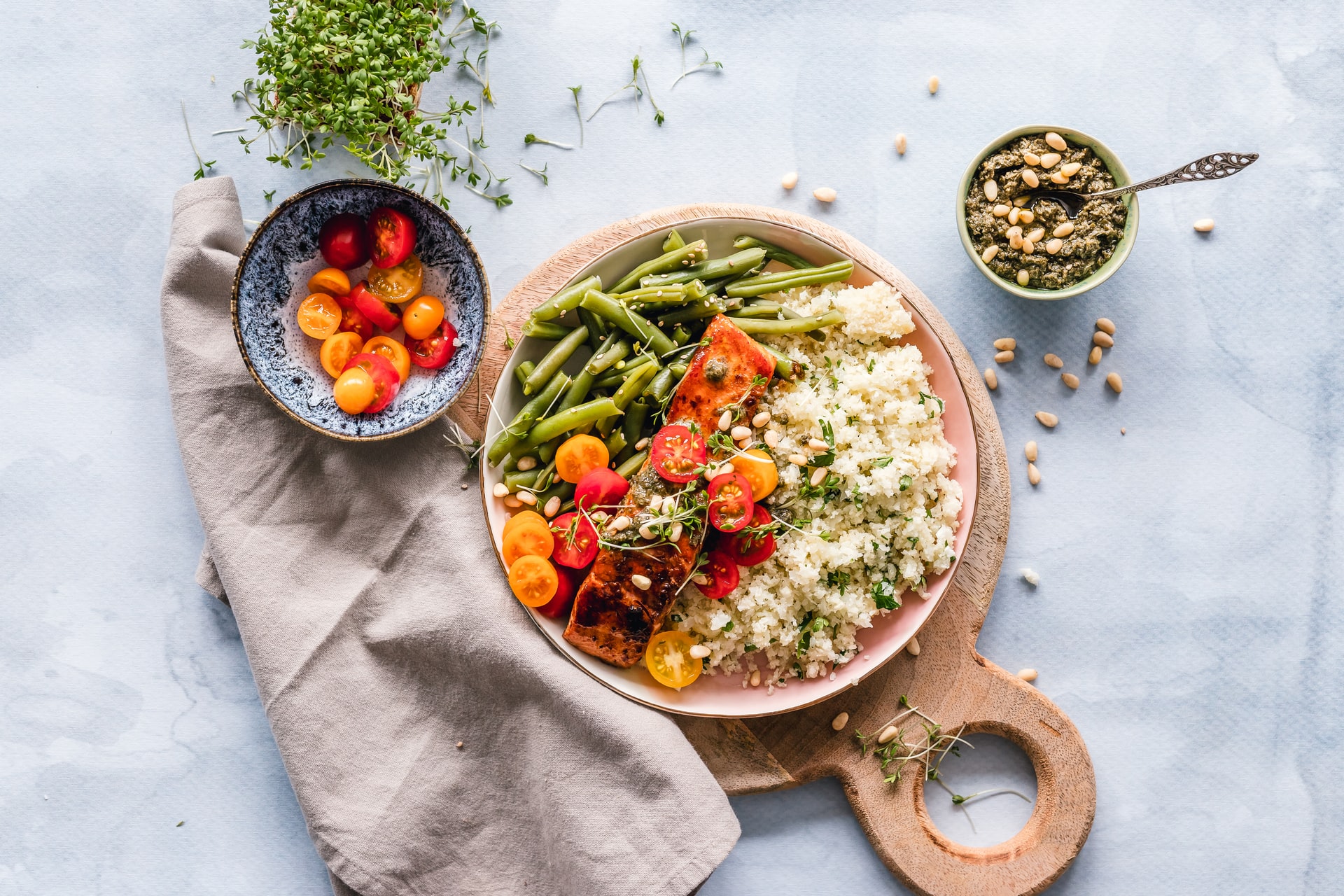
Foods to address diabetes (Type 2)
- Beans/legumes
- Dairy products
- Dietary fiber
- Dried fruits
- Fish
- Fruits
- Nuts
- Plant protein (decreases the risk of type 2 diabetes in females)
- Polyunsaturated fats
- Seafood omega-3s
- Seeds
- Vegetables
- Whole grains
- Yogurt
Foods to avoid to reduce the risk of diabetes
- High glycemic index and high glycemic load foods
- Nonnutritive sweeteners
- Processed meats
- Red meat and processed meat
- Sugar-sweetened beverages
- Total protein and animal protein
- Trans-fats
- Unprocessed red meats
- Yogurt
Balance Your Sleep Cycle
Insomnia is a growing problem in the Western world. Recent polls show approximately 60 million Americans suffer from some sort of insomnia and nearly nine million of those take a prescription sleep aid. Wow. These numbers are far too high and even though there are lots of alternative and natural methods to fight insomnia, more and more people are going to the doctor to get a prescription. The drawback? Most prescription medications have numerous and sometimes deadly side effects. So let’s look at some ways to get the sleep cycle back on track without turning to prescription medications.

One of the great things about technology is you have everything virtually at your fingertips 24 hours a day. But there’s a lot to be said for unplugging from the Internet. Camping has shown to completely reset the sleep cycle of insomniacs. Your body will actually be able to reset itself after a couple of days, thus allowing your circadian rhythms to do their job and get you back into a proper sleeping pattern. Another way to reset your sleep cycle is to stick to a routine. Set a bedtime and stick to it. This way you are actually training your brain to go to sleep. Do the same things nightly before going to bed too, like having a cup of tea or reading for 30 minutes.
Pay attention to lighting. At night, your house and especially your bedroom should be dark, this signals the brain that it needs to start shutting down. That’s why you should not have a television in the bedroom. Also, when you wake up in the morning, be sure to turn on lots of bright lights or open the shades to let in natural light. This signals the brain to wake up and get going. Doing this regularly will help train your brain and balance your circadian rhythm. Get in some daily exercise. Studies show that people who exercise regularly tend to sleep better and also feel less drowsy in the morning. But make sure to do the right types of exercise at the right times. Save intense exercise classes for mornings and do something more relaxing before going to bed, like bedtime yoga.
Stop ingesting caffeine, alcohol and nicotine. Coffee and caffeine-laden sodas may wake you up in the morning, but if you drink them with dinner, you’re setting yourself up for a restless night. Just do the best thing you can for your body and give up caffeine altogether. Also, many people think a glass of wine or a beer before bed is a good way to unwind. Wrong. Alcohol may bring on sleep initially, but a few hours after you lay down, it acts as a stimulant, causing you to wake up multiple times throughout the night. It’s best to have your last drink about three to four hours before you plan on going to bed. Nicotine works in the same way, just say no and get some sleep instead. Go easy on the late night meals/snacks. When we eat too much too late at night, we set ourselves up for a restless night. Indigestion from eating too late is common. If you’re still hungry right before going to bed, try something light and healthy, like a tablespoon of peanut butter or a handful of almonds.
Give acupuncture a try. Acupuncture balances hormones and fixes imbalances in the body. Thousands of acupuncture patients have gotten favorable results when it comes to insomnia. And, should you need a sleeping aid, herbal formulas are a much better solution to prescription medications. There are many ways to battle insomnia and balance your sleeping patterns. We have mentioned just a few here. So give them a try, find the ones you resonate most with and stick to it. Life can only get better if you do.
Tea for ZZZZs
Getting enough zzzz’s is vital for your body to renew, recharge and rebalance. When you sleep (a good night’s sleep) your body heals and grows stronger. If you’re not getting enough of it, eventually it can affect your health and wellbeing. Below is a list of herbs known to help you catch more solid zzzz’s.
But keep in mind, always check in with a professional. Herbs are medicinal and you should talk with someone who knows how to properly administer them.
- Valerian Root: Helpful when you’re having a hard time sleeping due to anxiety or stress.
- Poppy Plant: Acts as a mild sedative to help encourage a deep sleep when you’re feeling restless and achy.
- Chamomile: Contains antioxidants that help promote sleepiness and alleviate insomnia.
- Lavender Buds: Can improve your sleep quality and relax you too.